



In recent years, India has been experiencing rapid growth in the footwear market. As of 2024, the industry was valued at almost $18 billion and is expected to continue growing and reach over $45 billion market value by 2032. A significant reason for this growth is due to the rising middle class in India. As the disposable income of consumers grows, shoes become less of a commodity and more of a form of personality and self-expression. Footwear consumption per capita has increased from 1.7 to 2.3 from 2016 to 2021.
globalEDGE Blog

Publish Date:
Both consumers and industry analysts have taken notice of the recent announcements made by Chinese fast-fashion giants Shein and Temu, saying they will be raising their prices due to new U.S. tariffs. Beginning on April 25, 2025, these retailers will adjust their product pricing due to the U.S. government’s decision to remove the “de minimis” exemption, which formerly allowed duty-free importation of products under $800.

Publish Date:
With the value of the dollar falling roughly 10% this year, gold has had a rapid rise to new highs. As international investors have started to wane in the confidence in the safety of American power, the fall in the value of the dollar has shown that. As investors have moved into gold, prices have hit $3,357. A roughly 30% increase on the year.
Publish Date:
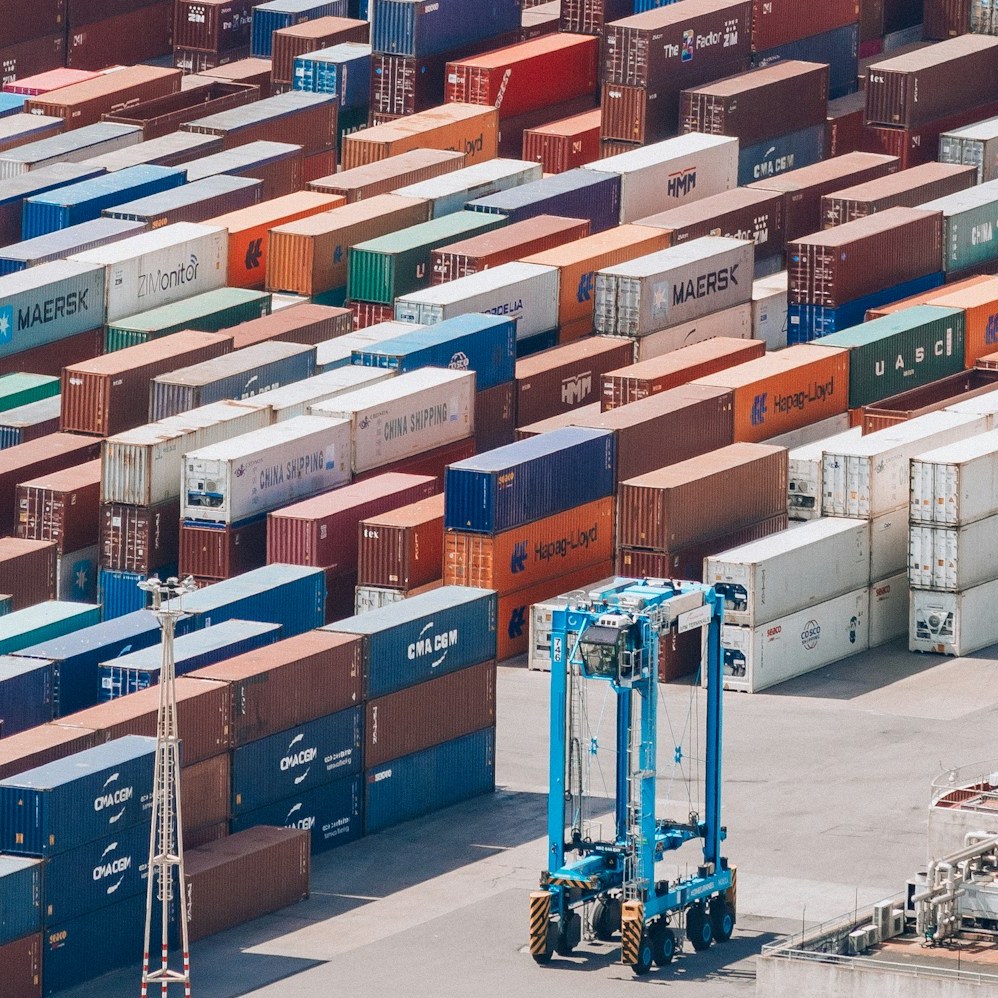
On April 2, United States President Donald Trump unveiled a 10% universal import duty on all goods entering the U.S., as well as sweeping new tariffs on a wide array of imported goods from 60 nations, branding the action “Liberation Day.”

Publish Date:
Fast food is no longer just about cheap meals and convenience; it is becoming one of the fastest adopters of AI in the restaurant industry. From smarter drive-thrus to automated inventory management and predictive maintenance, significant chains like Taco Bell, KFC, McDonald’s, and Chick-fil-A are investing heavily in AI to deliver faster service, improve accuracy, and boost efficiency behind the scenes.

Publish Date:
Bubble tea has dominated internationally over the past few years. Originating from Taiwan in the early 1980s, a drink that primarily consists of tapioca and has various teas to choose from depending on the stores, it has solidified its place in the market with its huge following.

Publish Date:
Hollywood has been the global capital of filmmaking for over a century. Even in international industries, American movies reign supreme. Since 1912, the highest-grossing movie of each year has been an American film. This dominant track record has led to the steady decline of international film industries as countries lost their confidence in competing in box office sales. This pattern is likely going to come to an end as a Chinese animated movie is looking to blow all other movies out of the water. Ne Zha 2 has taken China by storm and could lead a more progressive movement in international cinema industries.

Publish Date:

Publish Date:
When you give a typical computer a maze, it will go down Path A, then Path B, then Path C, and eventually, it will find the best available outcome. However, this is not the most efficient way to solve a maze; a quantum computer can go through every single outcome simultaneously and find the most efficient pathway more easily. The larger the maze becomes, the more time, value, and power a quantum computer can generate for its users. A quantum computer could solve a complex problem that might take a supercomputer one hundred years to solve in seconds.

Publish Date: