


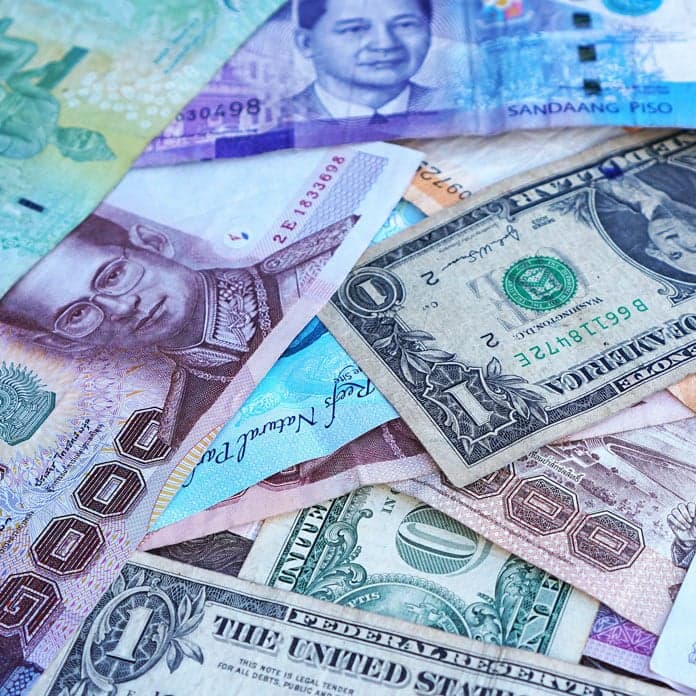
Forbes released the 2017 rankings for the World’s Biggest Public Companies, or the Global 2000, on Wednesday, May 24. Company rankings are composite scores determined by weighing sales, profits, assets, and market value. The United States contributes the most companies to the list with 565 members. China and Hong Kong supply the second largest with 263 companies. According to Forbes, “the world’s biggest companies have gotten bigger, more profitable and more valuable in the past year. 58 countries were represented, down from last year's 62 with Cyprus, Kazakhstan, Romania and Malta no longer boasting companies on the list.”
globalEDGE Blog - Page 99

Publish Date:
Contrary to many people's beliefs, cannabis can be useful as a tool for battling depression, calming nausea from chemo treatments, and practicing spiritual customs. These are just a few of the reasons citizens have been speaking out to their governments worldwide about the legalization of medical marijuana.
Publish Date:
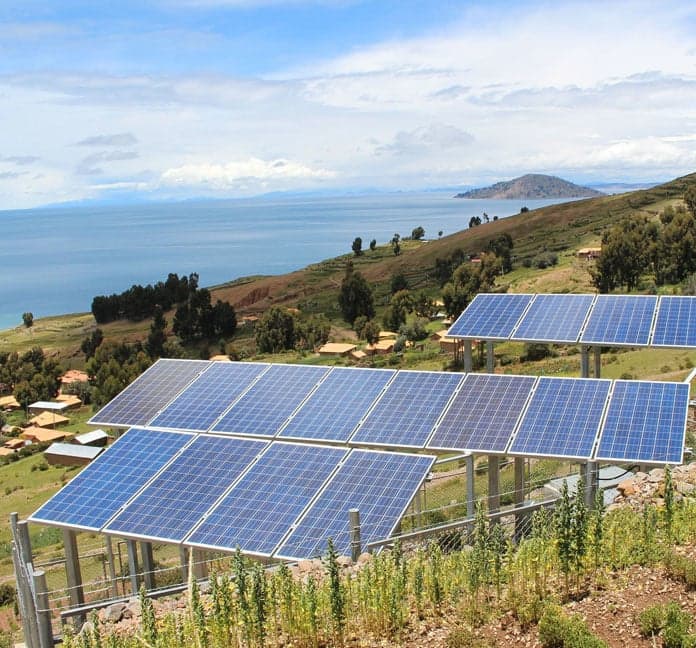
On Wednesday, the International Renewable Energy Agency (IRENA) released a report detailing trends in the renewable energy job market. Worldwide, renewable energy employed 9.8 million people last year, which is nearly twice as many compared to 2012. Wind jobs specifically grew by 28%. As global leaders, Brazil, China, Germany, India, Japan, and the United States have the highest number of renewable jobs. Global energy job growth has slowed down in recent years following solar energy declines in Japan and Europe, but IRENA Director-General, Adnan Amin, predicted that by 2030, employment will triple to 24 million.

Publish Date:
The globalEDGE team is excited to share the new Business Hindi Resource Guide. The project, funded by a grant from the MSU International Business Center (MSU-CIBER), was developed by the MSU Center for Language Teaching Advancement (CeLTA) to provide students applying for jobs and internships in India with necessary cultural and linguistic tools. The guide contains seven modules, covering topics such as socio-cultural etiquette, conversations in socio-business situations, business culture etiquette, and reading and interpreting job announcements. The resource guide also includes sample resume formats, sample cover letters, and a glossary of Hindi business terms. Click here to read the guide.

Publish Date:
On May 19, United States President Donald Trump embarked on his first series of foreign trips for the current presidential term. His first stop was Riyadh, the capital of Saudi Arabia, where he met with King Salman bin Abdulaziz, Crown Prince Muhammad bin Nayef, and other members of the Saudi royal family. During the two-day visit, President Trump and King Salman signed arm deals worth an immediate total of $110 billion, with additional promises of further investment over the next decade that will eventually equate to $350 billion. On a wider scale, the arms deals are part of a larger series of potential deals between Saudi Arabia and the U.S, often involving specific corporations from each nation. Collectively, they encompass the energy, defense, technology, chemicals, and mining sectors, signifying initiatives from the Saudi government to diversify its business from oil exports (part of the Saudi Vision 2030 plan established in spring 2016) and establish new trade relations within other industries within the U.S. Following the signings, global aerospace and defense stocks rebounded in value.

Publish Date:
The fifth Copenhagen Fashion Summit took place on Thursday, May 11 to address sustainable development in the fashion industry. Influential representatives from apparel and textiles and retail companies spoke at the event, including the chairman of the board and interim CEO of Tiffany & Co, the President of Global Sourcing at Target, the CFO of Tommy Hilfiger Global and PVH, and the head of sustainability at H&M. Eva Kruse, the CEO of the Global Fashion Agenda (GFA) explained how “today's linear economic model, which sends too many clothes to landfills and incinerators, is simply not sustainable.” She called on all retail and fashion companies to support a circular fashion system and sign the Summit’s Call to Action.
Publish Date:
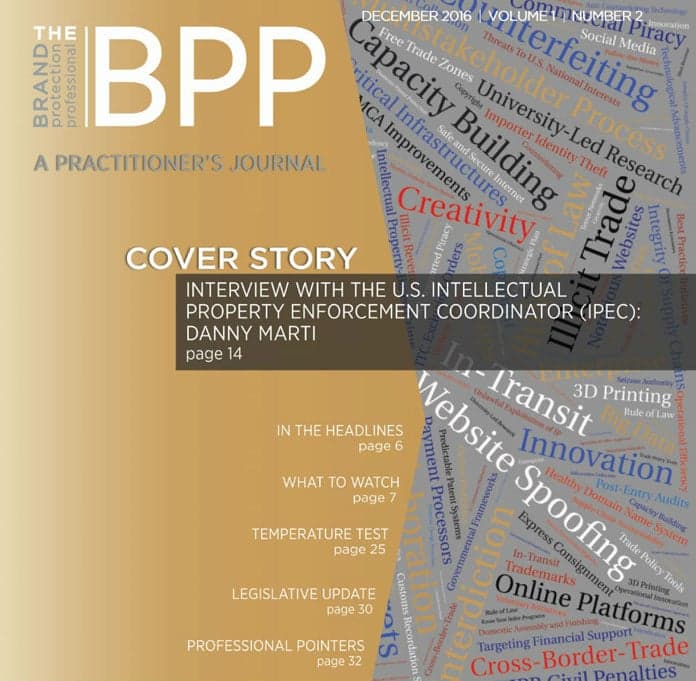
Counterfeit goods today are found throughout the world; wherever a demand for a product exists, counterfeiters quickly fill the niche. Counterfeiters compete undetected with brand owners, undermine brand profitability, fund the underground economy, and undermine brand reputation. A brand’s long-term success depends on protecting its integrity. Brand owners who do not believe they have a counterfeiting problem likely have not looked. ANY branded product can be counterfeited.

Publish Date:
On Thursday, the U.S. Department of Commerce announced that China and the United States had signed a new trade agreement, named the U.S.-China Comprehensive Economic Dialogue. The trade agreement is a result of ongoing negotiations between the two countries following a meeting between U.S. President Trump and Chinese President Xi Jinping in April. This 100-day action plan contains 10-points to be implemented by both China and the United States. For the United States, the agreement is part of an ongoing attempt to cut the trade deficit with Beijing.
Publish Date:
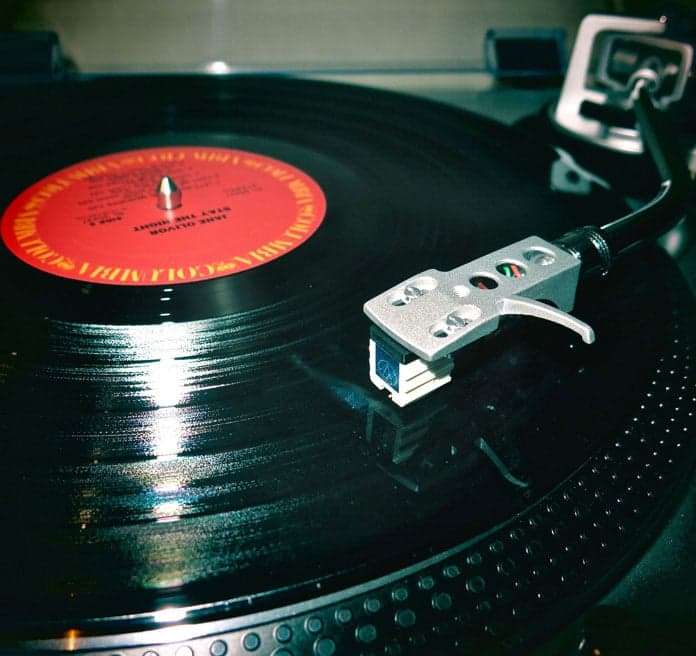
In the last blog of the leisure industry series, we take a look at the changing music industry.
In previous blog posts, we have analyzed the state of the global music industry, noting the dominance of streaming services as the default method for popular music consumption. As rates from digital and physical music sales remain in decline, revenues from streaming services have risen sharply: worldwide streaming revenues hit a new high of $5.4 billion in 2016. Major services based in various countries—Spotify from Sweden, TIDAL from the Norwegian company Aspiro, Apple Music from the United States, Deezer from France—have seen massive increases in their paid subscriptions, with further growth projected for the next few years. Countries with large music markets, like China, India, and Mexico, have provided large markets of subscribers and listeners. The effects of streaming have played a substantial role in the development of the global music industry—by the end of last year, the industry had accrued revenues of $16.1 billion, reaching its highest rate of growth (5.9%) in 15 years.

Publish Date:
Part four of this week's blog series explores current events in the sports sector of the leisure industry.
A few trends are expected to drive the sports industry in 2017 such as the rapid change in the sports media landscape of content creation and distribution rights due to consumers shifting from cable to digital media. Other trends expected are innovation for game days by enhancing the fan experience outside of the sports venue and the use of augmented and virtual reality to enable teams to become more personalized and integrated with sports fans’ daily lives. In addition, it is expected that data and analytics will continue to drive the more business focused side of the industry.