

Publish Date:

Part three of our transport manufacturing blog series examines recent trends in the global film industry. 

In recent years, the global film industry has undergone major changes due to increased globalization and the overall growth of the middle class. In the past, two-thirds of box office revenue was generated by the United States alone, but this is no longer the case. Today, 70% of this revenue is generated outside of the U.S., and this is leading to major changes in the way that films are produced and distributed around the world.


Publish Date:

In part two of this week's leisure industry blog series, we look at current trends in the global recreation and tourism sector.

Recreation and tourism have become a fundamental fraction of economies worldwide. The outdoor industry has become a massive economic force, and it is happening in countries all around the world. According to a 2014 study, in the United States alone, an estimated of 29.7 billion dollars in economic activity and nearly 277,000 jobs came from the pockets of visitors at the national parks. Secretary of the Interior, Sally Jewell, stated in an article released in 2015 that "our national parks often serve as economic engines for local communities, drawing tourists from around the world who pump money into area stores, restaurants, hotels and more". Jewell also emphasized the importance of investing in the national parks across the country, stating that it not only preserves and supports communities, but it also promotes economic growth.

Publish Date:

This week, the globalEDGE blog is taking a look at the leisure industry. Each day, our blog series will explore different areas of the global leisure industry, which includes recreation, entertainment, sports, and tourism. Globally, the industry encompasses a wide variety of businesses and companies, from major hotel and resort companies with locations around the world to small mom and pop shops. With the many sectors and businesses, the industry has a major impact on many economies across the world.

Publish Date:

The Xiongan area outside of Beijing has been deemed the newest special economic zone (SEZ) by the Chinese government. Compared to other countries, China has been the most successful in using SEZs to spur investment and growth—specifically by attracting foreign capital. For example, Shanghai's Pudong New Area was established in the early 1900's and is now the nations hub for financial business. However, there are also significant concerns when establishing a special economic zone that have to be taken into account.

Publish Date:

The world is going through a major demographic transition. Population growth is decreasing around the world, while the age distribution is leaning towards the elderly. But how would this alter any economy? Population growth plays a key role in every economy in the world, where a lower population growth rate means that there will be fewer workers and consumers. An aging population would lead to a smaller working-age population, which would decrease the growth of the labor force. Both of these trends result in lower GDP growth.

Publish Date:

According to Kai-Fu Lee, the founder of venture capital firm Sinovation Ventures, robots are likely to replace 50% of all jobs in the next decades. Lee expects this to be the next revolution in the technology industry, even bigger than electricity, the industrial revolution, or internet. Lee has previously held high executive positions with companies including Google, Apple, and Microsoft. When asked if humans will still have a role in the world with machines growing more intelligent, Lee responded that nothing can replace person-to-person social interactions, meaning there is hope for the service industry. Still, artificial intelligence (AI) has been impacting and will continue to impact all aspects of life as we know it.

Publish Date:

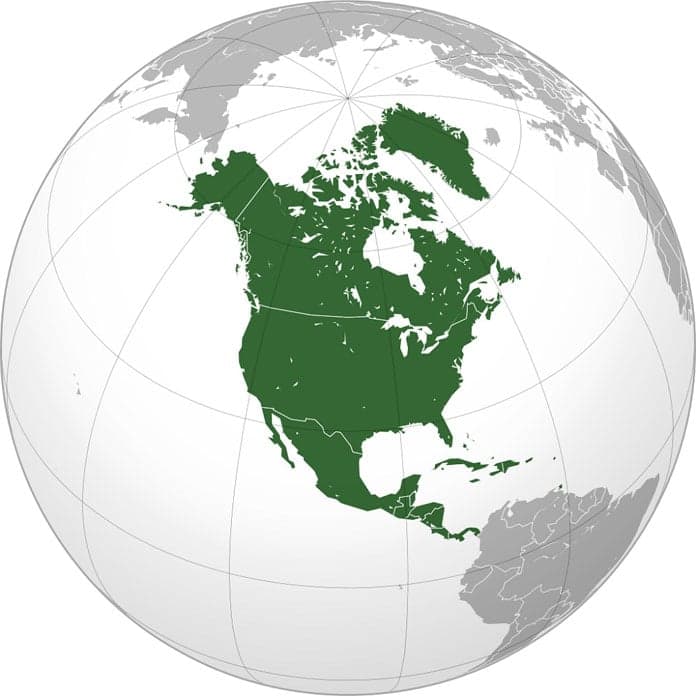
On April 26, United States President Donald Trump announced plans to "re-negotiate" the terms of the North American Free Trade Agreement (NAFTA) with Canada and Mexico. As related in a White House press release, the administration had intended to completely withdraw the U.S. from the trade deal, but was dissuaded from doing following conversations with Canadian Prime Minister Justin Trudeau and Mexican President Peña Nieto. At present, NAFTA stands in its current form, although the U.S. has explicitly stated its desire for major changes to the trade deal. The situation is predictive of a potentially volatile future for NAFTA and trade relations between the U.S., Canada, and Mexico.

Publish Date:

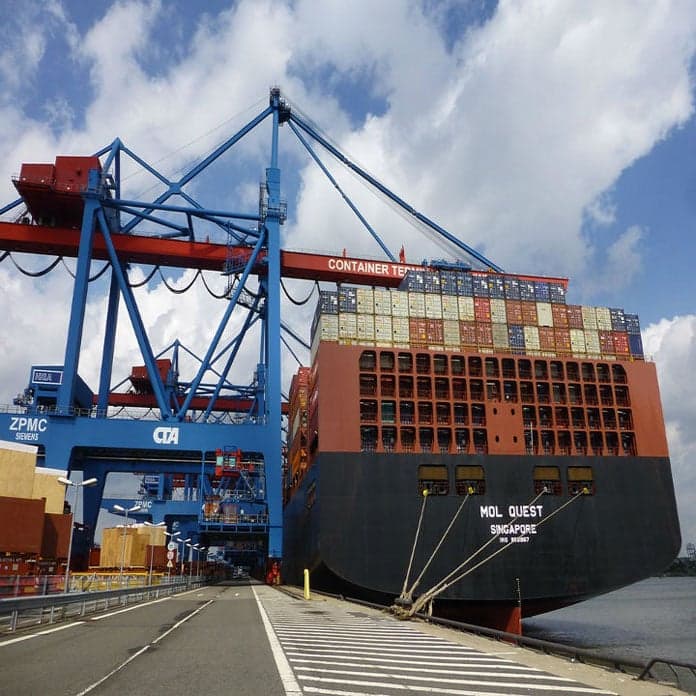
Recent reports published by the World Trade Organization (WTO) have forecast a remarkable recovery in global merchandise trade for 2017. Last year, global merchandise trade failed to reach its projected growth of 1.7%, ending the year with a growth of 1.3%, marking 2016 with the slowest growth since the financial crisis. Among other indicators, WTO Director General Roberto Azevedo blamed the poor performance in 2016 on the slowdown in emerging markets, stating that imports hardly grew in volume terms. However, the six-year trend of disappointing growth may be coming to an end as the world economy gradually begins to regain momentum. In a report released on April 12th, the WTO predicts a 2.4% growth in global merchandise trade by the end of this year, stating that, for the first time in several years all regions of the world economy should experience a synchronized upturn in 2017. 

Publish Date:

Flights have increased and ticket prices have gone down. In the past recent years, airlines have experienced a higher demand in their market than ever before. This is partially due to the decline in ticket prices. The decrease in ticket prices has made flying more affordable for more people, however there are also some downsides.